Confidentiality and privacy protection for survivors
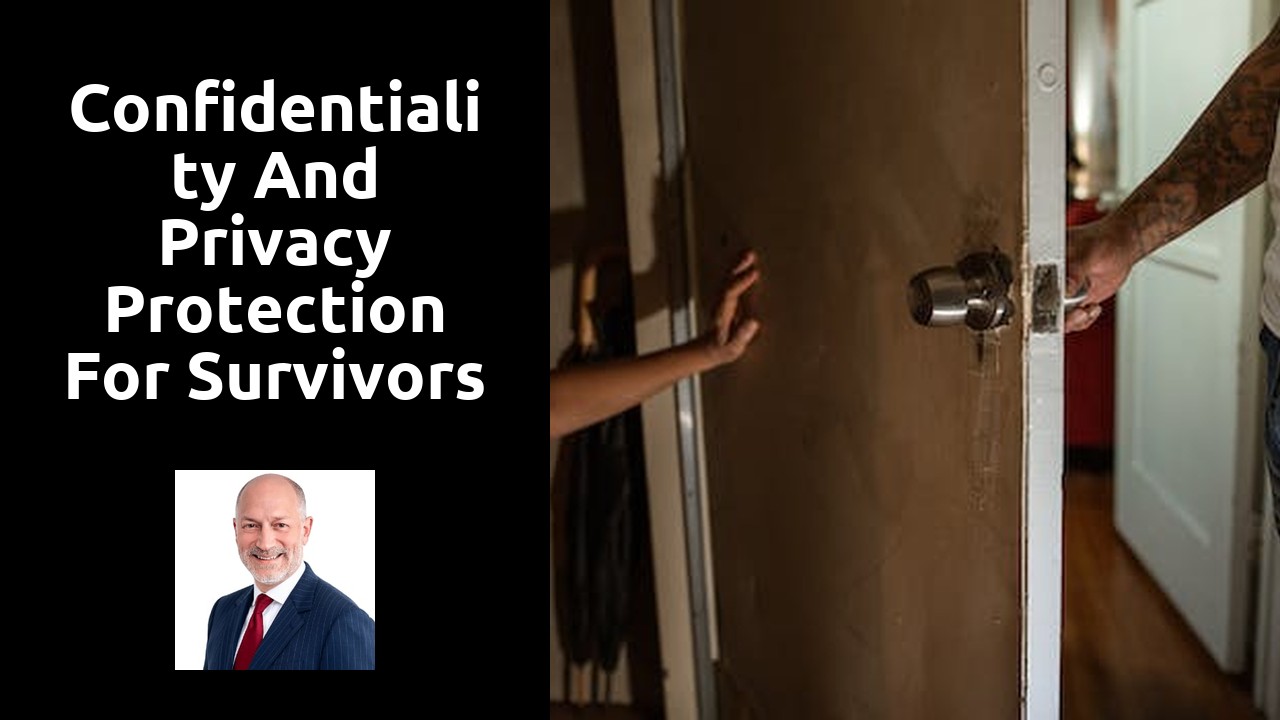
The Importance of Safeguarding Survivors' Information
Survivors of traumatic experiences often rely on professionals and organizations for support, guidance, and protection. In order to provide effective assistance, it is crucial to understand the significance of safeguarding survivors' information. Confidentiality plays a crucial role in fostering a safe environment for survivors, as it helps create a sense of trust, privacy, and security. When survivors disclose their experiences and personal details to professionals, they do so with the expectation that this information will be treated with the utmost confidentiality and will not be shared without their consent. Respecting survivors' confidentiality is not only an ethical responsibility but also a legal requirement in many jurisdictions. It is essential for professionals and organizations to prioritize the protection of survivors' information in order to ensure their well-being and enable them to access the support they need.
Respecting Boundaries: Privacy Considerations for Survivors
Respecting boundaries and ensuring privacy are crucial considerations when providing support to survivors. It is essential to recognize that survivors have the right to control their own personal information and decide what they disclose to others. Professionals working with survivors must always seek explicit consent before sharing any information and respect their wishes regarding confidentiality. This includes being mindful of who has access to sensitive details and ensuring that only those who genuinely need the information are granted permission. Encouraging survivors to actively participate in decisions about how their information is handled can help empower them and reinforce their sense of agency in their own healing process.
Additionally, it is important to be aware of the potential risks involved in sharing survivors' information without their consent. Disclosing sensitive details without informed consent can lead to breaches of trust, further trauma, and re-victimization. It is advisable to have comprehensive policies and protocols in place to address privacy concerns and ensure that information remains confidential. Professionals should also receive appropriate training on privacy protection and be updated on the latest legal requirements and ethical guidelines. By honoring survivors' boundaries and respecting their privacy, professionals can create a safe and supportive environment where survivors feel confident in seeking help and sharing their experiences.
Navigating Legal Frameworks: Ensuring Survivor Confidentiality
Navigating legal frameworks is crucial in ensuring survivor confidentiality. Laws and regulations play a vital role in safeguarding the sensitive information of survivors and protecting their rights. Legal professionals and service providers must possess a thorough understanding of these frameworks to establish robust systems that prioritize confidentiality.
One important aspect of navigating legal frameworks is understanding the nuances of consent and privacy laws. Professionals must be knowledgeable about the specific legislation in their jurisdiction, such as domestic violence laws, sexual assault statutes, and confidentiality provisions. This knowledge enables them to advise survivors on their rights and options, while also ensuring that any information shared remains confidential within the boundaries of the law. Compliance with legal requirements is essential to maintaining trust and ensuring survivors feel safe when accessing support services.
Building Trust: Establishing Confidential Relationships with Survivors
Establishing trust and confidentiality is crucial when working with survivors of trauma. Survivors often face significant barriers in seeking help due to fears of their information being mishandled or shared without their knowledge or consent. Therefore, it is essential for professionals to prioritize building trust and maintaining confidentiality to ensure survivors feel safe and supported.
To establish confidential relationships with survivors, professionals should clearly communicate their commitment to confidentiality from the outset. This may include explaining the limits of confidentiality, such as instances where mandated reporting is required by law, and outlining the steps taken to protect the survivor's information. By being transparent and upfront about confidentiality, professionals can help survivors feel more at ease in sharing their experiences and seeking the support they need. Additionally, actively listening to survivors, demonstrating empathy, and respecting their autonomy can further foster trust and establish a foundation for confidential and trusting relationships.
Ethical Guidelines for Professionals Supporting Survivors
Professionals who work with survivors of trauma play a crucial role in providing support and guidance during their healing journey. Ethical guidelines serve as a framework to ensure that professionals maintain high standards of care and protect the rights and privacy of survivors. These guidelines emphasize the importance of informed consent, confidentiality, and professional boundaries.
Informed consent is a fundamental ethical principle that should be upheld when working with survivors. Professionals should ensure that survivors have a clear understanding of the support services being provided, the potential risks and benefits, and their rights to privacy and confidentiality. It is essential to obtain explicit consent from survivors before sharing their information or involving them in any research or advocacy initiatives. This fosters a sense of empowerment and ensures that survivors have agency in their own healing process. Additionally, professionals should regularly revisit the consent process throughout the survivor's journey to reaffirm their ongoing commitment to privacy and confidentiality.
Technology and Privacy: Protecting Survivors in the Digital Age
Technology has greatly transformed the way we communicate and access information, presenting both benefits and risks for survivors of trauma. In the digital age, it is crucial to prioritize the privacy and safety of survivors when using technology in their support services. This involves employing secure platforms and encryption methods to ensure that confidential information is protected from unauthorized access. Additionally, professionals working with survivors should stay informed about the latest digital threats and regularly update their knowledge and practices to mitigate any potential risks that may arise in the online realm.
As survivors may use various technological devices and platforms to seek support and connect with others, it is essential for professionals to guide them on the safe and responsible use of technology. Offering clear and practical advice on creating strong passwords, enabling two-factor authentication, and being cautious of phishing attempts can go a long way in preventing the compromise of survivors' privacy and safety. Moreover, professionals should encourage survivors to regularly review and adjust their privacy settings on social media platforms and other online accounts, educating them on the potential risks associated with sharing personal information online. By equipping survivors with the necessary knowledge and skills, they can confidently navigate the digital landscape while protecting their privacy.
FAQS
Why is confidentiality and privacy protection important for survivors?
Confidentiality and privacy protection are essential for survivors as it ensures their safety, autonomy, and overall well-being. It allows survivors to feel secure in sharing their experiences and seeking support without fear of their information being shared without their consent.
How can professionals respect boundaries and privacy when working with survivors?
Professionals should establish clear boundaries and obtain informed consent from survivors before collecting or sharing any personal information. They should only disclose information on a need-to-know basis and ensure that any sensitive information is stored securely.
What legal frameworks should be followed to ensure survivor confidentiality?
Professionals should be aware of and adhere to relevant laws and regulations regarding survivor confidentiality, such as privacy laws and mandated reporting requirements. They should also familiarize themselves with any specific laws related to survivors, such as those pertaining to domestic violence or sexual assault.
How can professionals build trust and establish confidential relationships with survivors?
Building trust with survivors requires active listening, empathy, and respecting their autonomy. Professionals should create a safe and non-judgmental environment, maintain confidentiality consistently, and communicate clearly about their privacy practices.
Are there ethical guidelines for professionals supporting survivors?
Yes, there are ethical guidelines that professionals should follow when supporting survivors. These guidelines typically include principles such as respecting survivors' autonomy, maintaining confidentiality, obtaining informed consent, and ensuring ongoing professional development to stay updated on best practices.
How can technology be used to protect survivors' privacy in the digital age?
Professionals should be knowledgeable about technology-related risks and take steps to protect survivors' privacy online. This can involve using secure communication platforms, educating survivors on online safety, and implementing measures to prevent unauthorized access to electronic records.
Can survivors have control over their own information?
Absolutely. Survivors have the right to control their own information and decide who has access to it. Professionals should always obtain informed consent before sharing any survivor-related information and should respect survivors' wishes regarding the disclosure of their personal details.
What steps can survivors take to protect their own confidentiality and privacy?
Survivors can take several steps to protect their confidentiality and privacy, such as setting strong passwords, being cautious about sharing personal information online, using privacy settings on social media platforms, and seeking support from trusted professionals who prioritize confidentiality.
Related Links
Norwich, CT sexual abuse lawyer representing survivorsSupport in navigating the legal process
Expertise in sexual abuse laws and regulations